
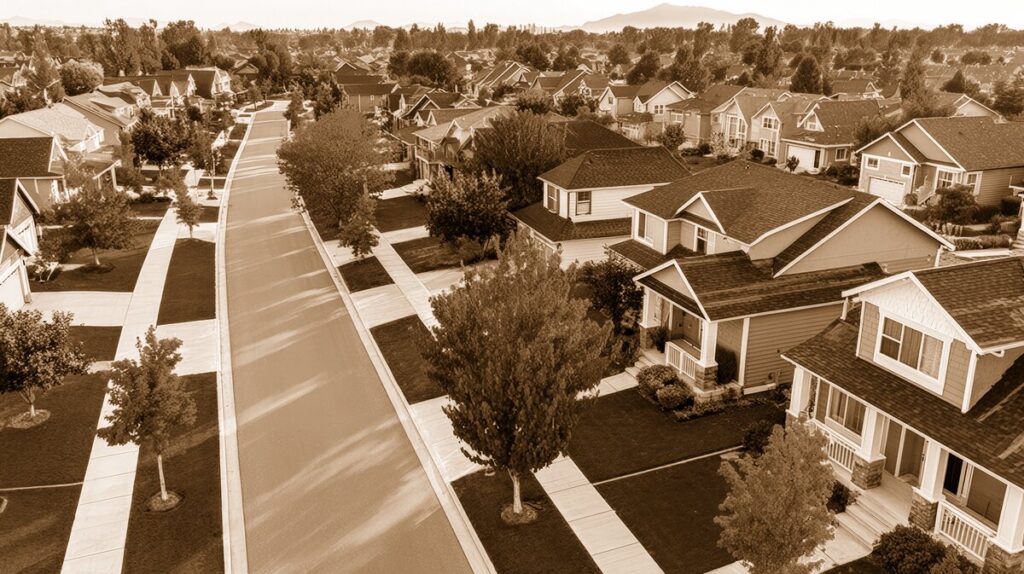
Nestled quietly beneath canopies of oak and cedar, Northwoods stands as one of New Braunfels’ best-kept secrets—a neighborhood that brilliantly weaves past and present together. For longtime residents and newcomers alike, the story of Northwoods is a testament to New Braunfels’ spirit: rooted in heritage, yet always evolving.
Origins: From Hill Country Acres to Neighborhood Roots
Less than three miles north of the city’s historic Gruene district, Northwoods traces its origins back to the mid-20th century. In the 1950s, as New Braunfels began expanding beyond its downtown, local leaders and families saw opportunity in the sprawling ranchlands north of town. What began as patchworks of farmland, native prairie, and dense thickets quickly drew interest from those wanting a retreat from city bustle—but still close enough for comfort.
Why Northwoods? The name itself honors the landscape that first defined the neighborhood: the “north woods” of New Braunfels, a lush belt of post oak and juniper that set these parcels apart. Early developers, mindful of the area’s sylvan character, included “Northwoods” in original plat filings, hoping to attract families with the promise of serene, wooded lots and fresh Hill Country breezes.
Early Growth and Community Identity
Development began in earnest during the 1970s and 80s, especially along Northwoods Avenue, Acorn Trail, and the winding Cedar Bluff, which trace the neighborhood’s wooded ridgelines. Builders preserved as many mature oaks as possible, giving Northwoods its signature shady lanes and dappled sunlight—a stark contrast to some newer subdivisions with sparse landscaping.
From its earliest days, Northwoods had a quiet, residential feel. Locals recall hearing the whistle of distant trains near the Union Pacific tracks or walking down Deerwood Drive to watch whitetail deer graze at dawn. Community spirit quickly coalesced around Northwoods Park, a modest but beloved green space that remains a neighborhood gathering point for cookouts, seasonal picnics, and Fourth of July parades.
Key Historical Milestones
- 1974: The First Homes Rise
The earliest homes on Maple Hollow and Woodland Cove set the architectural tone—ranch-style houses with stone facades and generous porches. Many of these original homes, lovingly maintained, still grace the neighborhood today.
- 1985: Northwoods Park Opens
Responding to resident requests, city planners established Northwoods Park at the corner of Oak Ridge Drive and Deer Path. With its playscapes, shady benches, and walking trails, the park became a symbol of Northwoods’ commitment to family life and outdoor enjoyment.
- 1990s: Expansion and Modernization
New Braunfels’ population boom brought waves of change. Developers expanded Northwoods’ boundaries, adding homes along Hidden Forest and Hickory Loop while keeping the neighborhood’s natural aesthetic. The Northwoods Homeowners Association (HOA) formed, organizing annual spring cleanups—a tradition that endures.
Notable Landmarks and Local Treasures
- Northwoods Park:
More than just a patch of green, the park is the site of neighborhood traditions. Ask residents about summer movie nights, and you’ll hear stories of lawn chairs, popcorn, and neighborly laughter under string lights.
- The Old Stone Wall
On Cypress Hill Road, a stretch of fieldstone wall remains from the pre-development ranching days. Locals affectionately call it “the line,” and it marks one of the oldest man-made landmarks in the area.
- Mid-century Ranches on Acorn Trail
A stroll down Acorn Trail offers a glimpse into Northwoods’ architectural past, with single-story ranch homes featuring wide overhangs and locally quarried limestone—a hallmark of late 20th-century Hill Country construction.
The Evolution of Northwoods
Much like New Braunfels itself, Northwoods has changed with the times—yet retained the neighborly warmth that makes it unique. The last two decades brought new generations of families, renovating classic homes or building modern residences that honor Hill Country design with wraparound porches and native landscaping.
Despite growth, Northwoods avoids the cookie-cutter feel of many suburban enclaves. Oak and cedar trees remain protected by HOA covenants. Local wildlife—songbirds, deer, and even occasional foxes—still roam the wooded lots. The neighborhood’s web of walking trails and quiet sidewalks ensures joggers and kids on bikes are a daily sight.
Schools continue to anchor the community, with nearby Lamar Elementary and the acclaimed New Braunfels High School drawing families seeking both education and a close-knit environment.
What Makes Northwoods Special
Every Northwoods resident has a story: the first time they discovered the scent of mountain laurel after a spring rain, the spontaneous block parties on Maple Hollow, or the holiday lights competition that lights up Cedar Bluff. What unites them is a love for this peaceful corner of North New Braunfels—a neighborhood defined by:
- Nature’s beauty in every season
- A close community spirit, from annual barbecues to porch chats at sunset
- A sense of continuity and place, where history and heritage matter
Whether raising a family, enjoying retirement, or simply seeking a friendly wave from a neighbor, Northwoods offers both timeless charm and modern comfort.
Looking to the Future
The story of Northwoods is far from over. As New Braunfels grows, the neighborhood’s commitment to green space, welcoming spirit, and preservation of heritage stands as a model for thoughtful development. The future will no doubt bring change—but the legacy of the “north woods” will remain, deeply rooted in the land and hearts of all who call this neighborhood home.